Understanding the cost of maintaining an septic tank is essential. Whether you’re planning to install the septic tank of your choice and leach field or simply replace an existing one, being aware of the costs that could be incurred will help you budget your expenses and avoid surprises along the way. There are various factors that contribute to the cost to install septic tank and leach field.
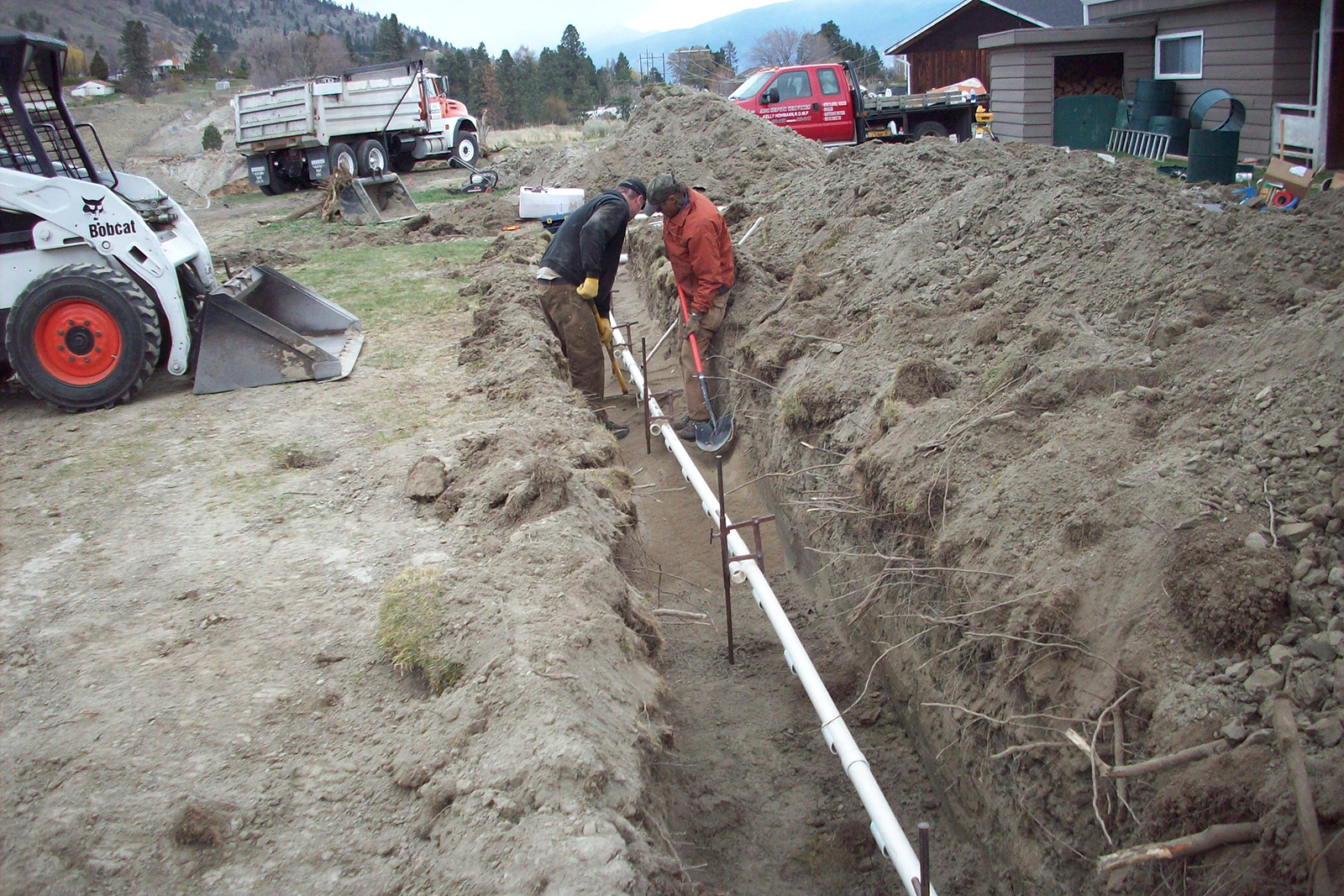
The cost of installing tanks and a septic field will depend on a number of elements. The size of the required septic system is an essential consideration. The cost of a septic installation will be higher for larger houses or properties that use more water. Furthermore, the soil condition and topography of the land can affect the complexity of the installation process, and consequently, the price. The soil conditions can be challenging and require additional excavations or specially designed treatment methods. This can increase the price.
A septic system’s cost can also be affected by the selection of septic tanks and leach fields. Prices vary depending on the materials and designs. Concrete tanks are less expensive than other alternatives, such as fiberglass or plastic tanks. Furthermore, the most advanced treatment systems or environmentally friendly options may be more expensive but also offer benefits like better water and wastewater treatment.
The initial purchase of a septic system and leachfield is essential however it’s also important to factor in the cost of maintenance and eventual replacement costs. Septic tanks last that ranges from 25 to 30 years, depending upon factors like usage as well as maintenance and materials that are used. With time the tank could require repairs or even replacement. When calculating the cost for replacing a septic tank it’s crucial to consider not only the tank itself but also the labor as well as any required upgrades to ensure compliance with current regulations.
The cost to replace the septic system could be determined by the type of tank and the size, and also how complex the installation. In some cases there may be a need to excavate the tank and dispose of it in a proper manner and prepare the site for the new installation. Furthermore, if there’s any changes to the regulations in the past few years it is possible that additional costs will be incurred to bring the new sewer system into compliance.
To ensure a smooth replacement process and avoid unexpected costs, it’s essential to have regular inspections of the septic system and appropriate maintenance. Regular inspections will reveal the possibility of problems early and allow for prompt repairs that could extend the lifespan of the tank. It is important to regularly flush the tank so that solids do not accumulate.
It is best to request estimates from a variety of reputable contractors prior to planning the replacement or installation of a Septic tank. Take a look at these estimates and get a better idea of what the average costs are in your local area. This will enable you to make a better decision. Ask about warranties and guarantees that the contractor might offer on the work they carry out and the materials they use.
Knowing the cost of replacing a septic tank and the overall costs of septic systems is important for homeowners and property owners. By considering factors such as the size, the materials used the soil’s conditions, future costs in the long term, you can effectively budget for the installation or replacement of a septic tank and leach field. Regular inspections, maintenance, and proper care are key in extending the life of your septic system as well as in reducing future costs. Make sure you are aware that a functioning septic system is not solely important for managing wastewater as well as adding value to your house.