Wisdom tooth extraction refers to a procedure to remove one or more wisdom teeth. These permanent adult teeth can be found in the top and bottom edges of your mouth. A wisdom tooth extraction may be required at any moment in your life. Third molars can also be referred to as wisdom teeth. They are often affected by other teeth and are then trapped within them. If they aren’t treated they could lead to infection and discomfort. Wisdom tooth extractions are usually performed by a dentist, oral surgeons, and require just a tiny cut through the bone and gum. It’s possible to opt for either general or local anesthesia, based on the specific situation. Here’s what you need to know about wisdom tooth extractions:
Wisdom tooth extractions are generally performed by dental surgeons or an oral surgeon. Wisdom teeth are the most important of all. Wisdom teeth are also known as the third molars and generally the last tooth to be erupt. Wisdom teeth can be extracted when they’re impacted. They grow in an angle, and then press against other teeth. Wisdom tooth extractions are recommended when Wisdom teeth aren’t coming in properly or if they crowd adjacent teeth, creating difficulties with chewing and speaking. Wisdom tooth extractions can be performed with local anesthesia intravenous sedation, and general anesthesia. The amount of procedure and the patient will decide the type of anesthesia used. Wisdom tooth extractions usually take 30 to 60 minutes to one hour. Patients may experience some swelling or discomfort. Most patients recuperate from Wisdom tooth extractions in a few days and can return to their normal activities within a few days.
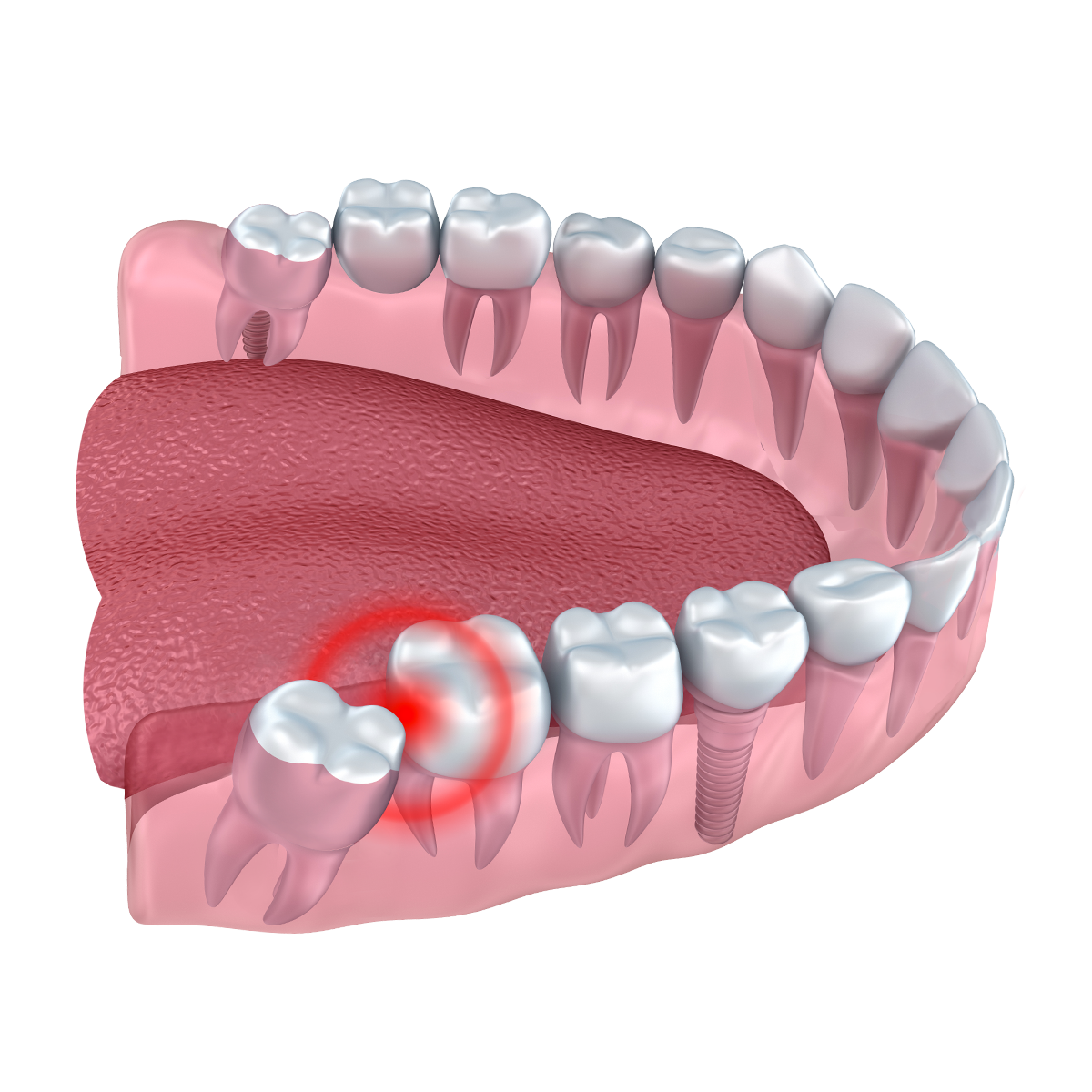
They usually require a small cut through the gum tissue and bone. Wisdom teeth are considered to be the last teeth that will be born, and they usually appear in the late teens or early 20s. Wisdom teeth aren’t a problem for many people. However, for others, wisdom teeth can cause pain, crowding, and swelling. Wisdom teeth could require extraction when they’re impacted (stuck in the gums or bone) or if they’re damaged or infected, or if they are creating pain or crowding. A dentist usually handles wisdom tooth extractions. This requires a small incision through the gum and bone. Wisdom tooth extractions can be done as outpatient procedures and the majority of patients recover within some days. If the tooth is causing extreme discomfort or infection, Wisdom teeth extractions might be necessary in an emergency situation.
Wisdom tooth extractions are an extremely routine procedure in dentistry however, they aren’t always necessary. Wisdom teeth may be kept in place and don’t cause any harm. However, there are also situations when it’s better to have them removed. These are the signs you could require your wisdom teeth removed:
1. Wisdom Teeth Impaction is a condition in which wisdom teeth are trapped in the jawbone or gums, and are not able to fully erupt. This could cause discomfort, inflammation, or the damage to adjacent teeth. Your dentist may recommend that wisdom teeth are removed in order to avoid future problems.
2. Wisdom Teeth Cysts: Occasionally Wisdom tooth cysts can form. These are fluid-filled sacs within the bone that could cause tissue and bone injury. To stop further damage from occurring the dentist might recommend the removal of the wisdom tooth cyst.
3. Wisdom Teeth Infection. It is crucial to seek immediate treatment if your wisdom teeth are infected. Wisdom tooth infections can lead to serious damage to your jawbone as well as the surrounding teeth. The extraction of your wisdom teeth in an emergency may be required to avoid future problems.
If you’re experiencing one of these problems It’s crucial to visit an experienced dentist as soon as you can to determine whether or not you require your Wisdom teeth to be removed.
For more information, click emergency dentist edmonton